HOW ATHLETES ARE SEEN BEFORE THEY ARE KNOWN
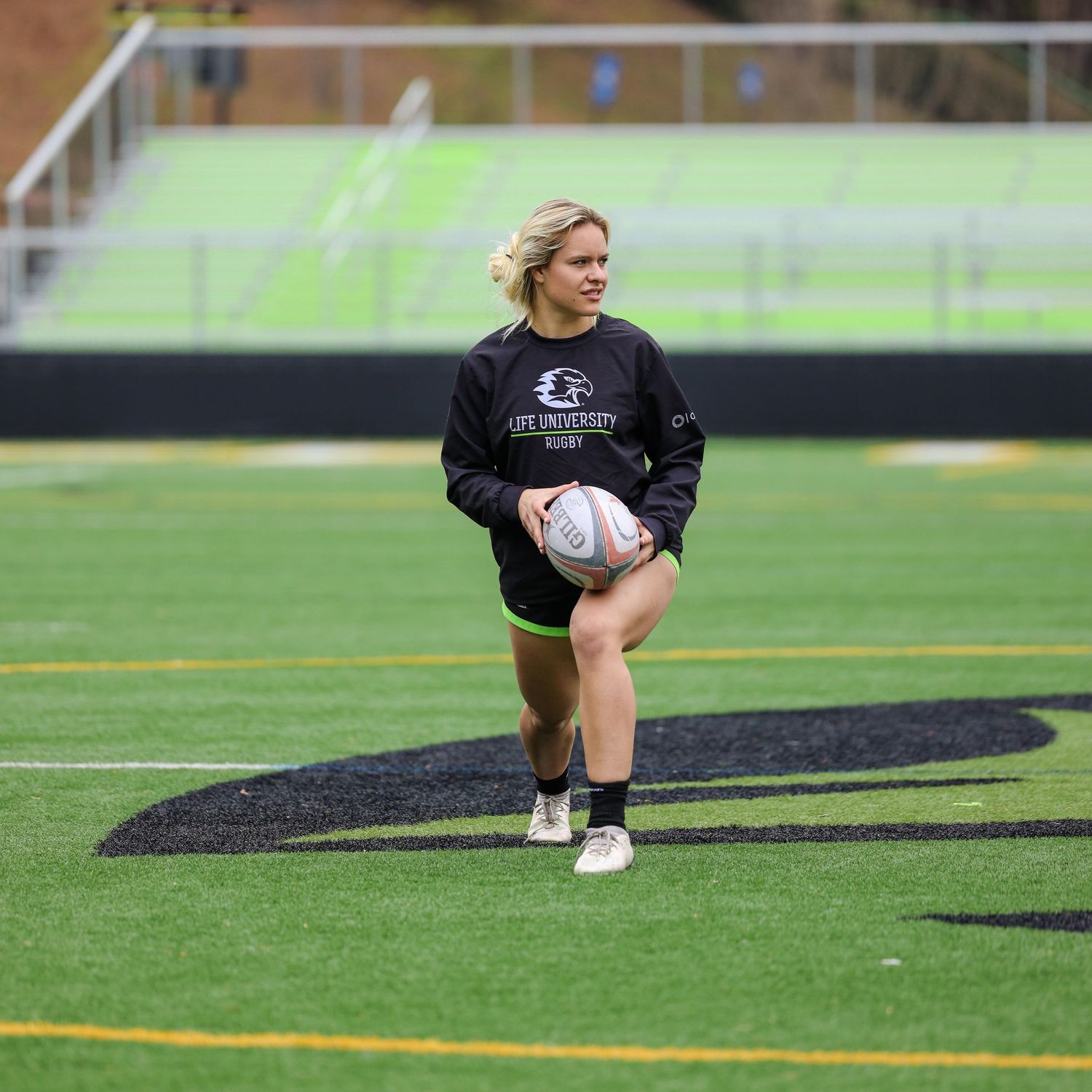
Before a conversation happens,
before a coach introduces themselves,
before a recruiter asks a single question,
before a brand ever considers working with you,
an impression already exists.
It is not formed during the game.
It is not built in a single moment of performance.
It is built over time.
Quietly.
Through what is visible.
Most athletes are already being evaluated in ways they don’t fully understand.
THE REALITY OF TODAY’S ATHLETE
Athletes today are not just evaluated in competition.
They are experienced across environments:
- social media
- highlight videos
- event photography
- sideline behavior
- interactions with teammates
- moments before and after performance
Long before an athlete is formally introduced,
there is already a perception of who they are.
And that perception carries weight.
Having worked closely within team environments and athlete development settings, one pattern becomes clear:
Athletes are being evaluated continuously—
not just when they perform,
but in how they are experienced.
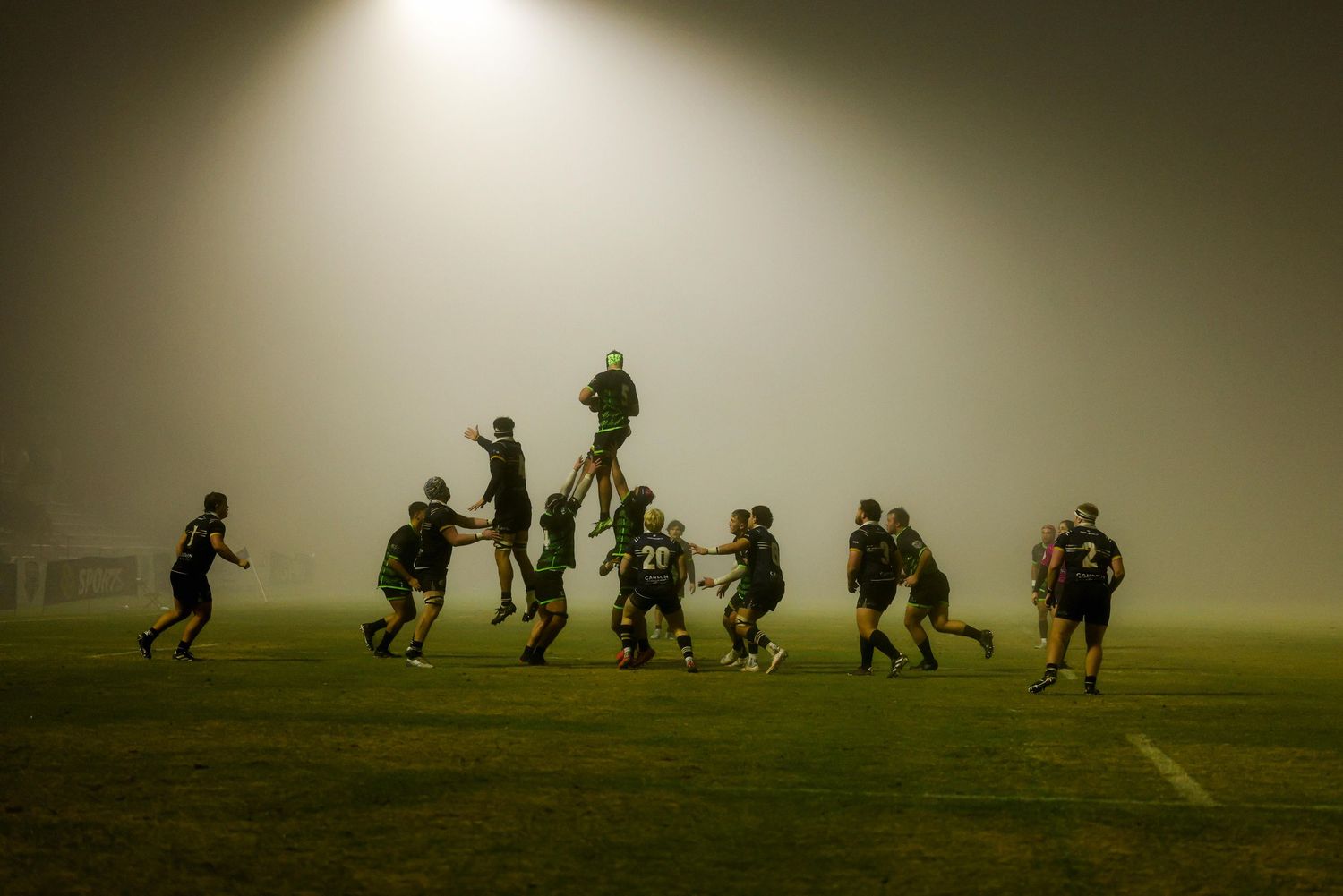
PERFORMANCE IS NO LONGER THE FULL STORY
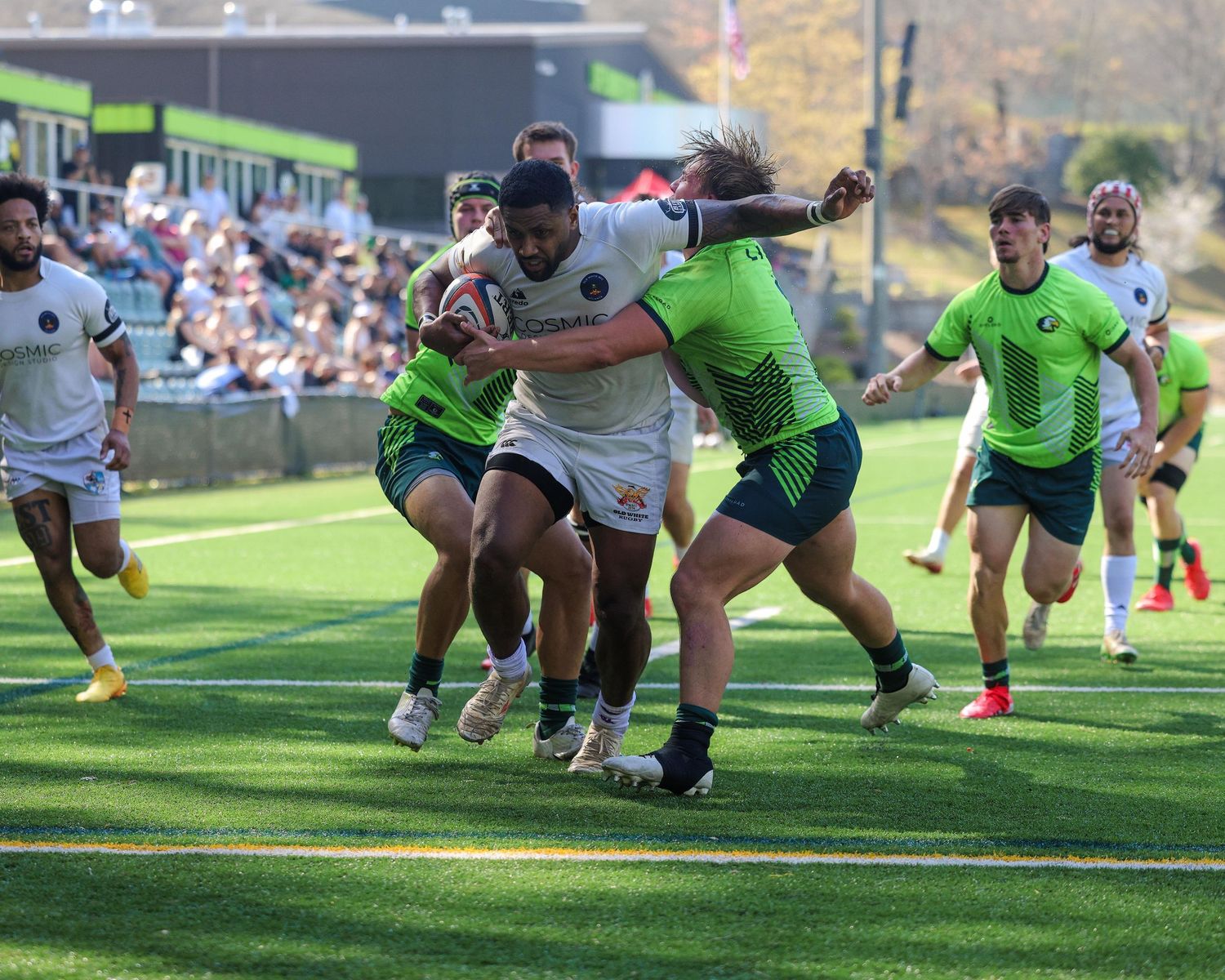
Performance still matters.
It always will.
But performance alone is no longer what separates athletes.
At higher levels, many athletes can perform.
What begins to differentiate them is:
- how they carry themselves
- how they respond to pressure
- how they are experienced by others
- what people remember after the performance ends
These are not always captured in stats.
But they are noticed.
WHAT DECISION-MAKERS ARE REALLY OBSERVING
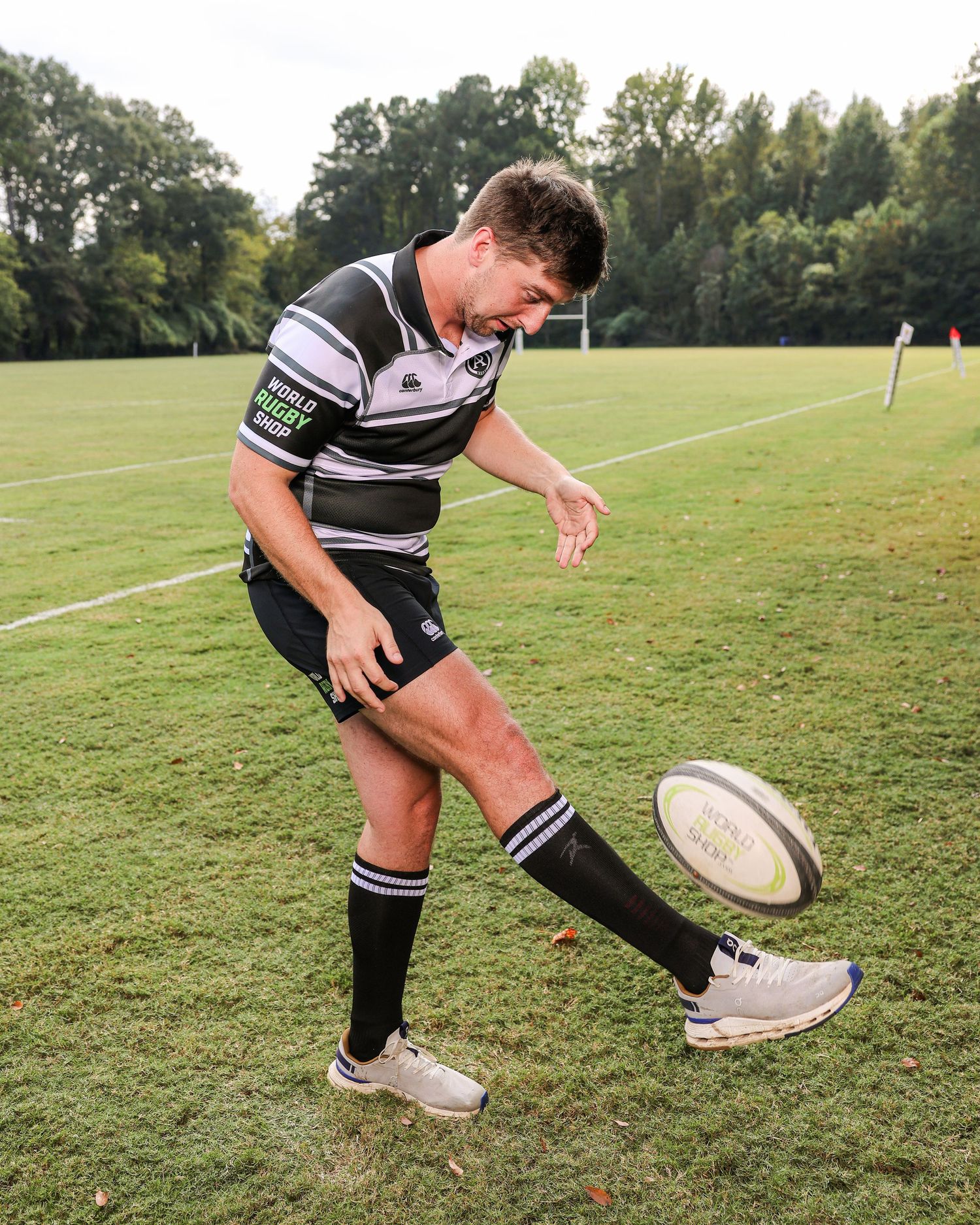
Coaches, recruiters, program directors, and those evaluating athletes for opportunities beyond competition are not only asking:
“Can this athlete perform?”
They are also asking:
- Who is this athlete when the moment shifts?
- How do they show up when they are not the focus?
- What does their presence communicate?
- Would they represent this program well?
In many cases, these answers are formed before a direct interaction ever happens.
THE GAP IN
ATHLETE DEVELOPMENT
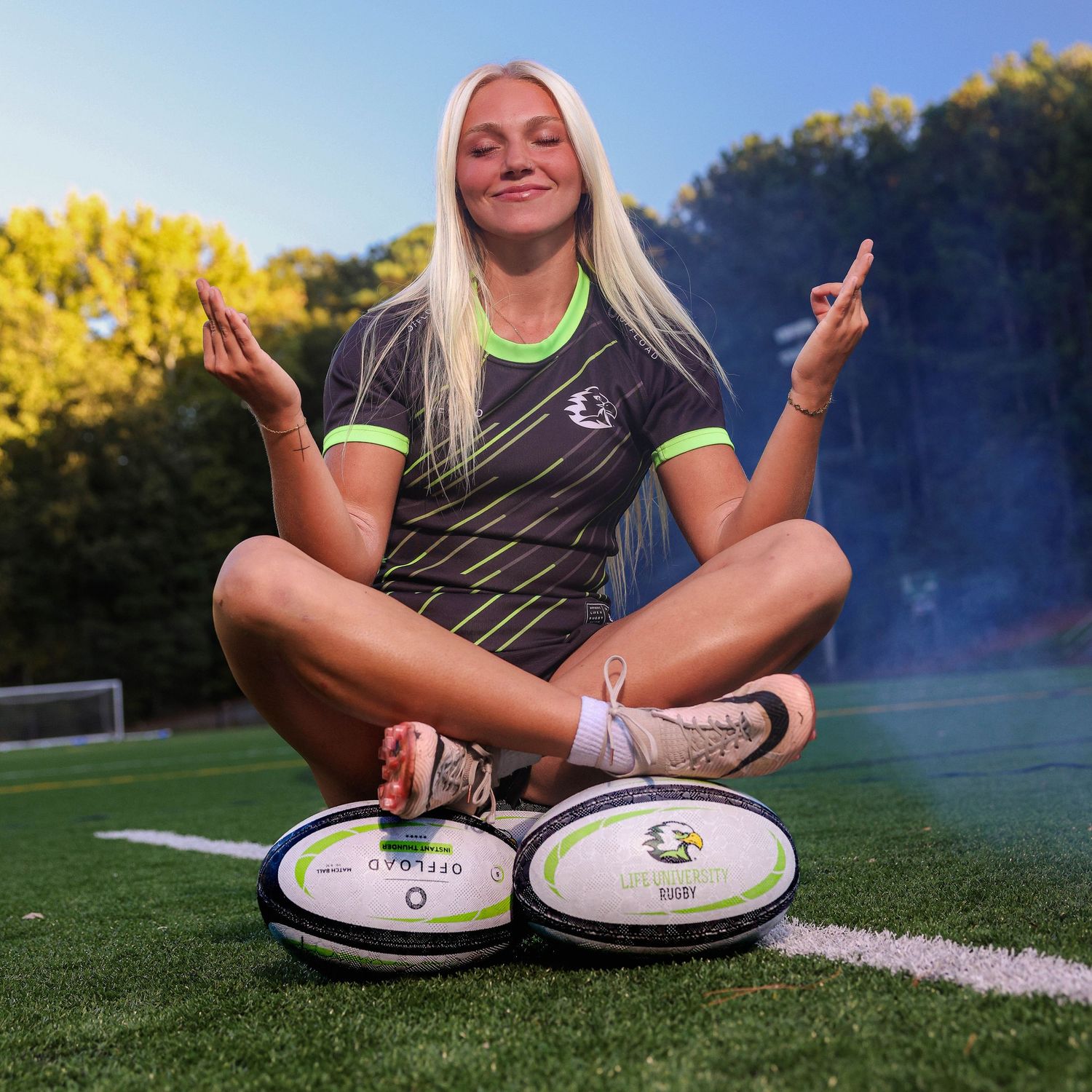
Most development environments are built around:
- technical skill
- physical performance
- tactical understanding
These are essential.
But there is often very little structure around:
- how athletes are perceived
- how identity is communicated
- how presence is developed
- how visibility shapes opportunity
As a result, athletes are often visible without direction.
And over time, that visibility begins to define them—whether intentionally or not.
As a result, strong athletes are often overlooked—not because of performance, but because of how they are perceived.
This is often where parents begin to realize that development is happening beyond training alone.
WHY THIS MATTERS MORE NOW
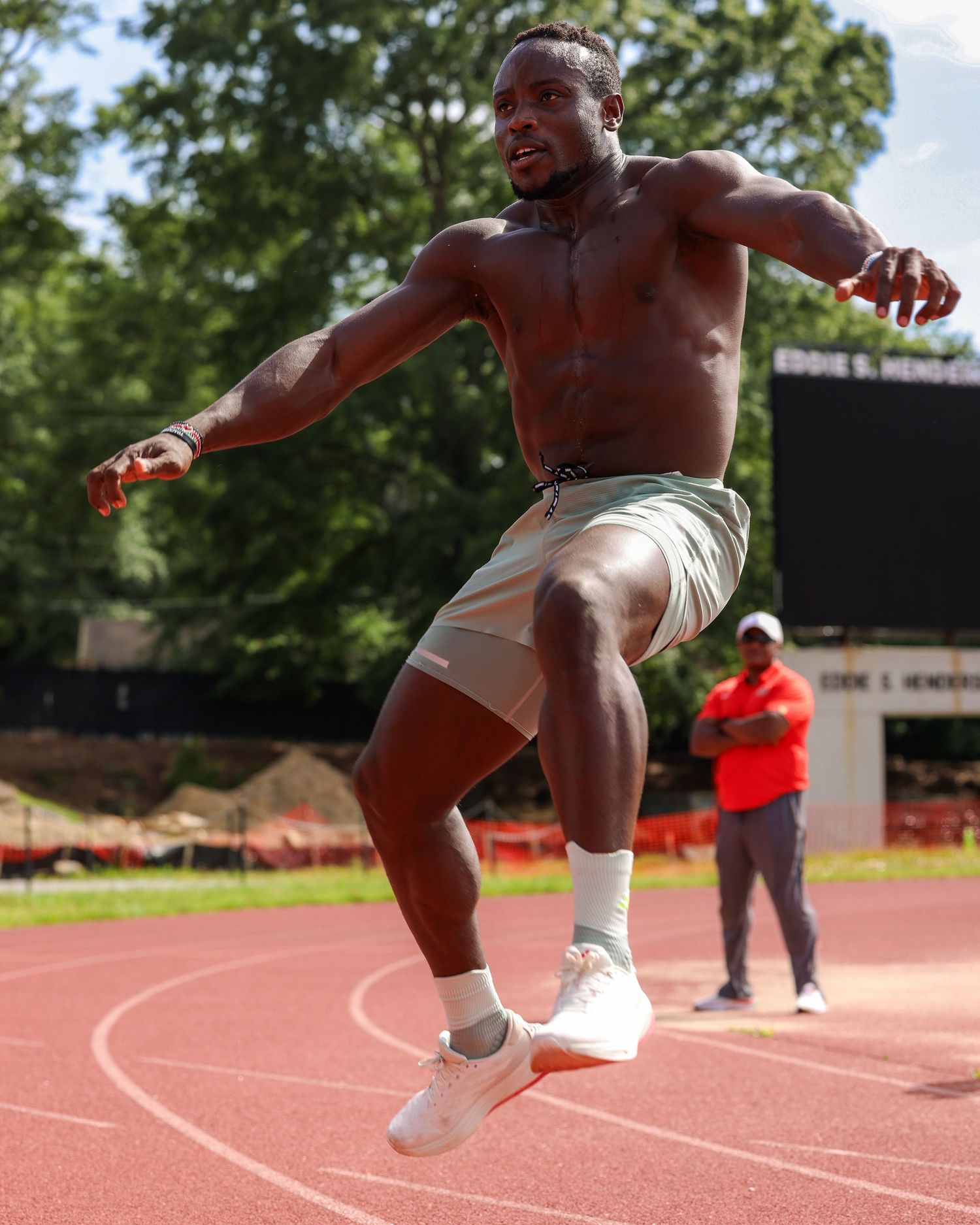
The modern athlete is not only competing on the field.
They are navigating:
- constant visibility
- digital exposure
- early evaluation
- expanded opportunity pathways
This environment rewards athletes who understand not just how to perform, but how they are experienced.
Without that awareness, strong athletes can be overlooked.
With it, athletes often begin to carry themselves differently—
in how they prepare,
in how they communicate,
and in how they are perceived by others.
Coaches notice it.
Teammates feel it.
Opportunities tend to follow it.
For athletes beginning to think about opportunities beyond competition—whether at the collegiate level or beyond—this becomes even more relevant.
Increasingly, athletes are being evaluated not just for how they perform, but for how they present, communicate, and represent.
In many cases, opportunities follow athletes who are not only capable, but clearly understood.
A DIFFERENT APPROACH
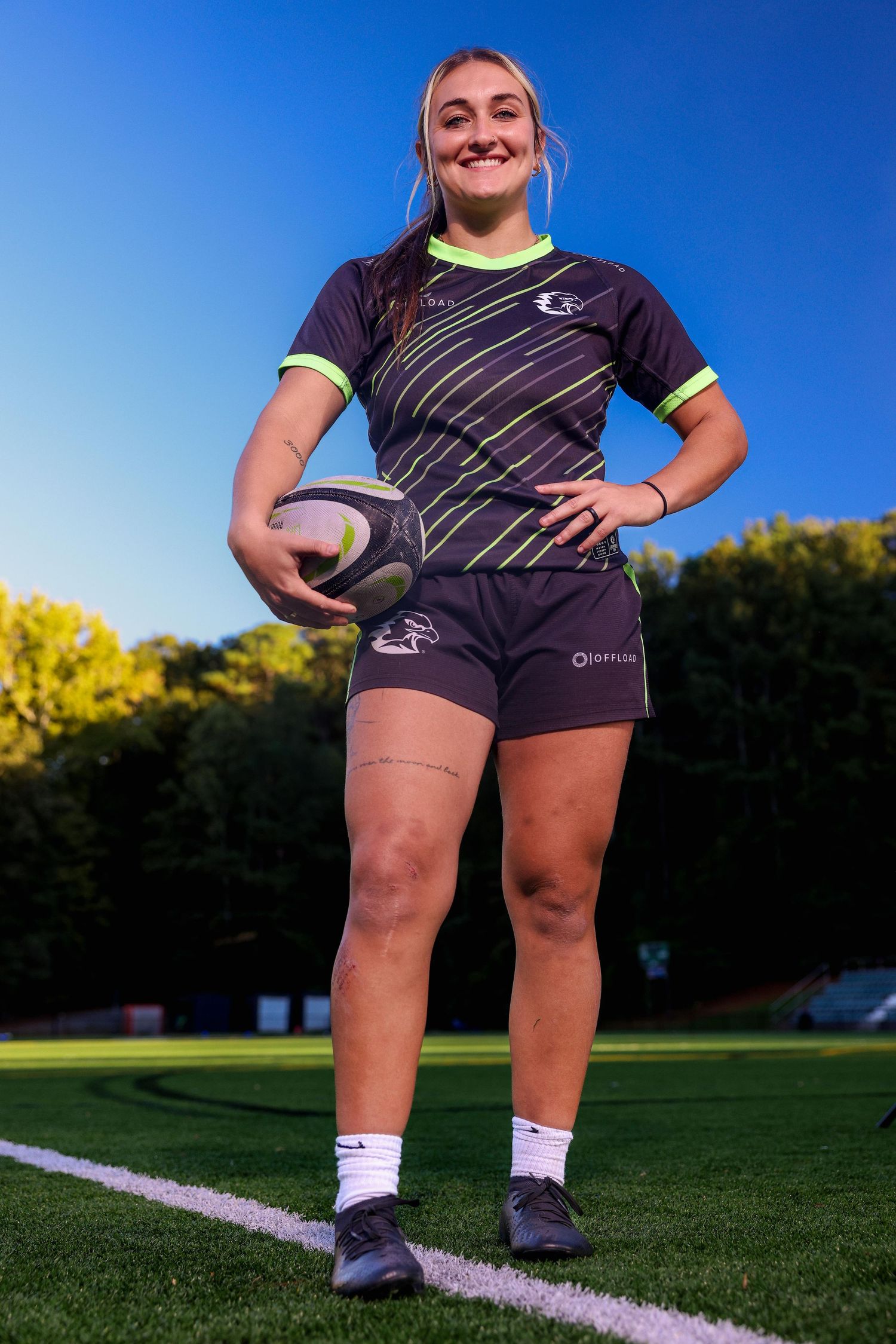
There is a growing need for athlete development to expand beyond performance alone.
To include:
- awareness of perception
- understanding of visibility
- clarity in identity
- intention in how athletes show up
Not as branding.
Not as marketing.
But as part of development.
Because how an athlete is seen will continue to shape what opportunities they are given.
This is not something most athletes are taught.
This conversation is now being introduced in team environments, camps, and athlete development settings where performance alone is no longer the full focus.
FOR PROGRAMS, CAMPS, AND DEVELOPMENT LEADERS
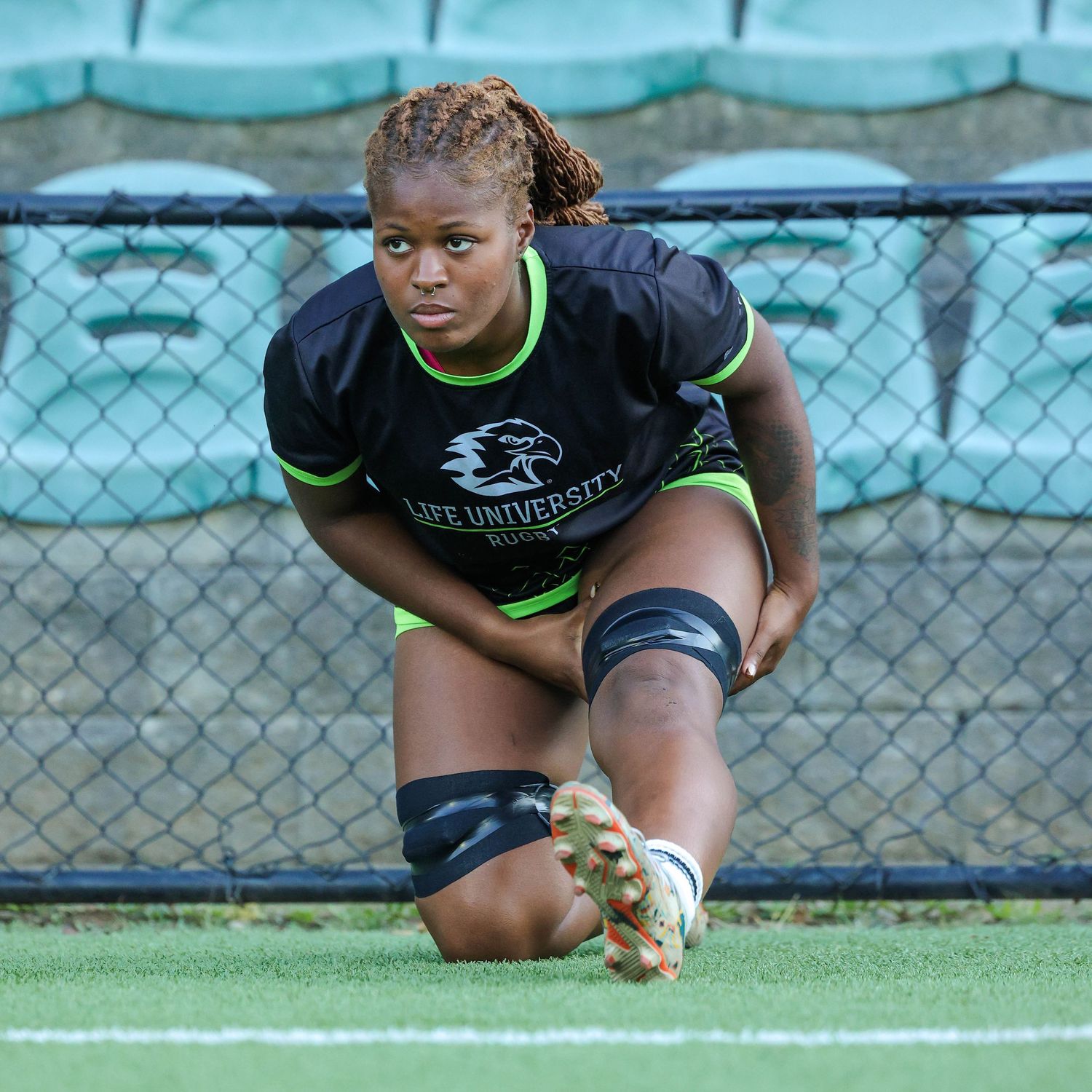
The question is no longer just:
“How do we develop better athletes?”
It is also:
“How do we prepare athletes for how they are experienced?”
Programs that address both performance and perception
begin to develop athletes who are not only capable— but understood, trusted, and remembered.
MOVING FORWARD
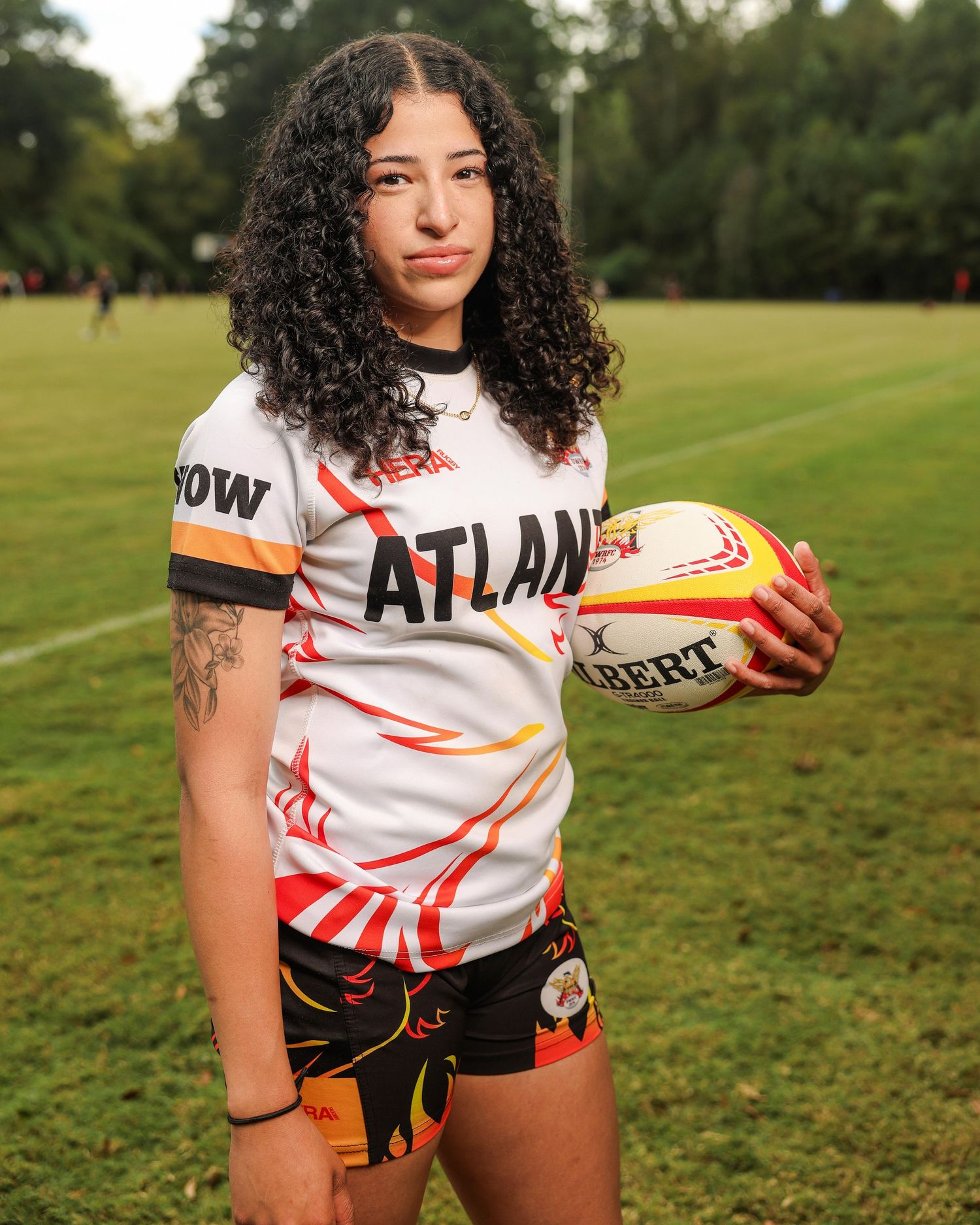
This shift is already happening.
The only question is whether it is being approached intentionally.
For organizations, teams, and development programs exploring this direction, this work is currently being introduced through a structured workshop experience focused on how identity, visibility, and presence shape opportunity in modern sport.